Flooding can be a devastating experience for homeowners. The immediate aftermath often reveals not just the physical damage but also the emotional toll that comes from losing cherished possessions and facing costly repairs. In places like Mesa, Arizona, where unexpected storms can lead to flash floods, understanding how to protect your property is essential. Being proactive about flood risks can save you time, money, and heartache down the line.
Understanding Flood Risks
Every property has its unique vulnerability to flooding based on location, topography, and existing infrastructure. For instance, homes situated near bodies of water or in low-lying areas are more susceptible. However, even those located at higher elevations can face risks due to heavy rainfall overwhelming drainage systems.
Recent studies indicate that climate change is intensifying weather patterns, leading to heavier rains and unpredictable storm events. Therefore, assessing your property’s flood risk isn't just a one-time task; it requires ongoing evaluation as environmental conditions change.
Assessing Your Property's Vulnerability
Before taking action, it’s crucial to evaluate how vulnerable your property may be to flooding:
- Location: Proximity to rivers or lakes increases flood risk. Elevation: Properties at lower elevations are more likely to be affected. Drainage systems: Ineffective drainage can exacerbate flooding. Soil Type: Sandy soils drain better than clay soils, which retain water. Historical Data: Review any past flooding incidents in your area.
By understanding these factors, you can better strategize how to mitigate potential damage.
Practical Steps for Flood Prevention
Taking proactive steps now can significantly reduce future flood risks. Here are several measures homeowners should consider:
1. Elevate Critical Systems
One of the most effective ways to safeguard against flooding is elevating critical systems like HVAC units, water heaters, and electrical panels above potential flood levels. This simple adjustment can prevent extensive damage during a flood event.
2. Install Sump Pumps
Sump pumps are invaluable tools for managing excess water in basements or crawl spaces. By installing a sump pump with a battery backup system, you ensure that even during power outages caused by storms, your property remains protected from rising water levels.
3. Improve Drainage Around Your Property
Effective drainage is key in preventing water from pooling around your home. Clear gutters and downspouts regularly to ensure they direct water away from your foundation. Consider landscaping adjustments such as grading the yard away from the house or adding swales—shallow ditches designed to manage surface water runoff.
4. Use Flood Barriers
Flood barriers or sandbags can provide an immediate defense against rising waters during severe weather events. While these solutions may not completely stop flooding, they can significantly reduce the amount of water entering your property.
5. Obtain Flood Insurance
Standard homeowner's insurance typically does not cover flood damage; therefore, obtaining specialized flood insurance is crucial for long-term security. Evaluate local policies and choose coverage that fits your specific needs while considering potential risks associated with climate change.
Long-Term Solutions for Flood Mitigation
While immediate actions help during a crisis, long-term strategies ensure sustainable protection against flooding risks:
Implementing Green Infrastructure
Promoting natural processes for managing stormwater is increasingly recognized as an effective strategy for mitigating floods. Green infrastructure includes practices like permeable pavement and rain gardens that allow rainwater to soak into the ground rather than run off into storm drains.
For example, transforming part of your yard into a rain garden with native plants not only enhances aesthetics but also improves drainage and supports local wildlife.
Retrofitting Existing Structures
If you live in an older home built before modern building codes addressed flooding concerns, consider retrofitting it with updated materials designed for flood resilience. This might include https://maps.app.goo.gl/QxuLuMgyH5ordJ4i8 using flood-resistant insulation or installing higher thresholds at entry points.
Such modifications require upfront investment but often result in savings when compared with frequent repairs after flooding incidents.
Community Engagement and Resources
Safeguarding your property against future flooding isn't solely an individual effort; community involvement plays a significant role in large-scale mitigation strategies:
Collaborate with Local Authorities
Engaging with local government agencies about community action plans can yield valuable insights into regional efforts aimed at reducing flood risk. Many municipalities have resources dedicated to disaster preparedness that offer guidance on personal safety measures during floods as well as long-term infrastructure improvements.
Consider joining neighborhood associations focused on environmental stewardship or disaster preparedness initiatives; collective action amplifies individual efforts significantly.
Access Educational Resources
Various organizations provide literature and workshops on emergency preparedness related specifically to floods. Familiarizing yourself with these resources empowers homeowners with knowledge about best practices for safeguarding properties while fostering community resilience against climate-related challenges.
The Role of Professionals in Water Damage Restoration
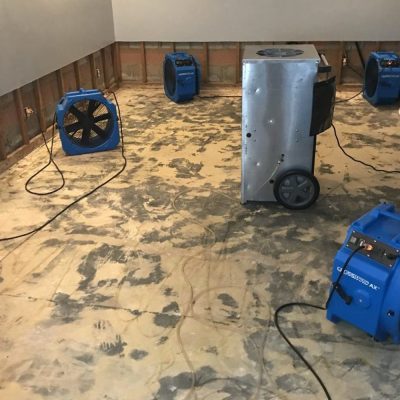
In Mesa and its surroundings, professional services specializing in water damage restoration play an essential role after any flood event occurs despite preventive measures taken beforehand. Companies like Bloque Restoration offer comprehensive support ranging from initial assessments post-flooding through complete restoration services necessary after significant water damage has occurred.
When to Call Professionals
Even if preventative measures were taken successfully prior to a storm event resulting in minor flooding situations requiring cleanup efforts may still arise afterward:
If there’s standing water inside your home. If mold begins developing within 24-48 hours post-event. If structural damages are suspected after exposure. If you lack equipment necessary for effective drying procedures. If you're uncertain about safety concerns regarding electricity or gas lines post-flooding.
In such instances seeking professional assistance ensures appropriate care protocols are followed protecting both human health/property integrity alike while minimizing additional repair costs later down line through timely intervention techniques employed by experts familiarized with industry standards/procedures necessary within this field contextually speaking!
Preparing for the Future
The unpredictability of weather patterns makes preparing for floods essential—not just reactive but proactive measures tailored toward addressing specific vulnerabilities present within each unique environment encountered daily across various regions today including those found throughout Mesa AZ!
Understanding potential risks associated with living near waterways combined alongside implementing effective preventative strategies (like elevating vital systems/installing sump pumps) fosters greater peace-of-mind knowing one has adequately prepared themselves ahead-of-time should adverse conditions arise unexpectedly yet again later on down road ahead!
While we cannot control nature’s whims entirely—using available resources wisely coupled alongside leveraging professional expertise when needed positions us favorably against whatever challenges lie ahead offering both added security/protection over time!
Bloque Restoration
1455 E University Dr, Mesa, AZ 85203, United States
+1 480-242-8084
[email protected]
Website: https://bloquerestoration.com